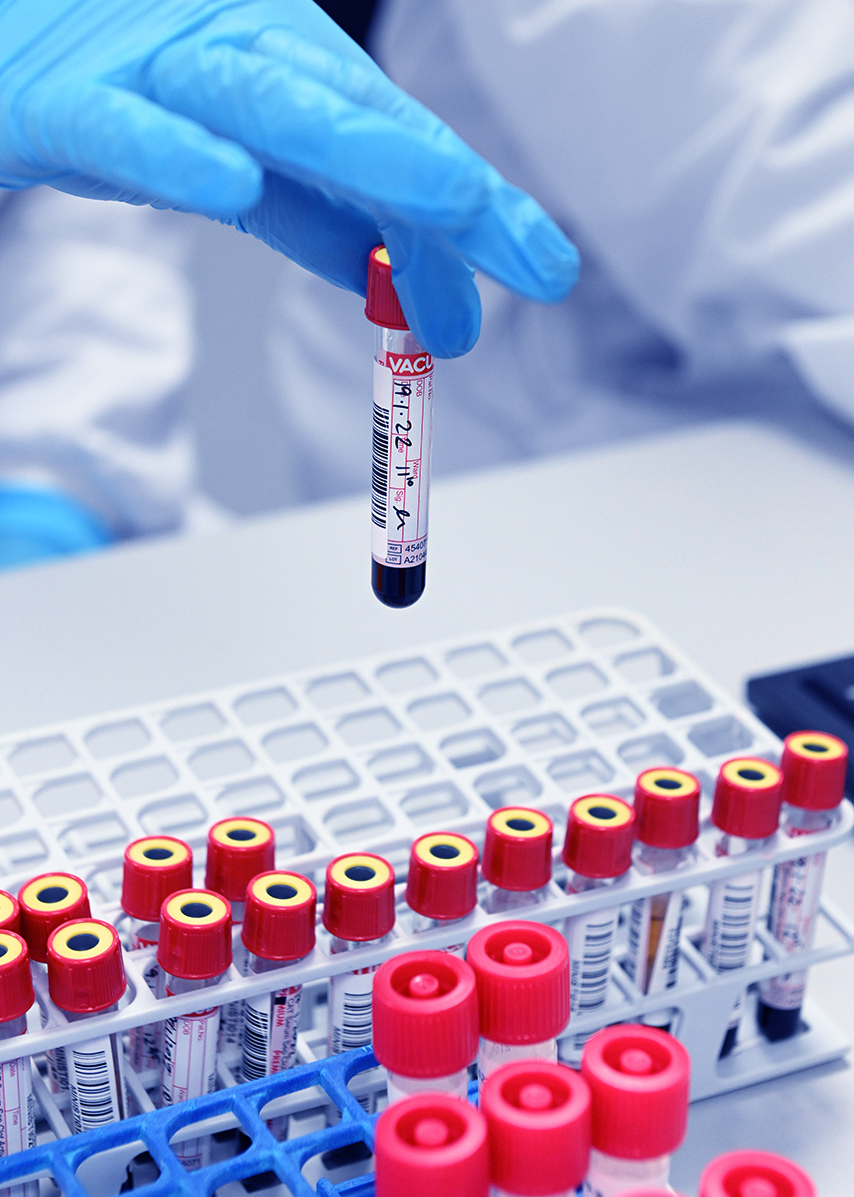
Urine Microalbumin testing measures the amount of albumin, a type of protein, in the urine. Normally, kidneys filter blood, retaining essential proteins like albumin and excreting waste products into the urine. However, when the kidneys are damaged or stressed, small amounts of albumin can leak into the urine, a condition known as microalbuminuria. This test is a sensitive indicator of early kidney damage and is particularly valuable in managing chronic conditions such as diabetes and hypertension.
Clinical Significance of High Results
Elevated urine microalbumin levels are often the first sign of kidney damage. The presence of microalbuminuria is clinically significant for several reasons:
Diabetes: In diabetic patients, microalbuminuria is a marker of diabetic nephropathy, a serious complication where kidney function progressively deteriorates. Early detection through urine microalbumin testing allows for interventions, such as tighter glycemic control and the use of ACE inhibitors or ARBs (angiotensin receptor blockers), to slow the progression of kidney damage. The HSE’s integrated care pathways for diabetes management typically include urine microalbumin testing as part of routine monitoring. This is often done annually for patients with diabetes to detect early signs of nephropathy.
Hypertension: In patients with high blood pressure, elevated microalbumin levels indicate that the kidneys are being adversely affected by the increased pressure. This finding warrants a more aggressive approach to blood pressure management to prevent further renal impairment.
Cardiovascular Risk: Microalbuminuria is not only a marker of kidney disease but also an independent risk factor for cardiovascular events. Elevated levels suggest endothelial dysfunction and generalised vascular damage, linking microalbuminuria to increased risks of heart attack, stroke, and cardiovascular mortality
Clinical Significance of Low Results
A normal or low urine microalbumin result typically indicates that the kidneys are functioning properly, with no significant leakage of albumin. However, in the context of a patient with known chronic conditions:
Effective Management: Low or normal microalbumin levels in patients with diabetes or hypertension may reflect effective management of these conditions. Continued monitoring is essential, as it confirms that current treatment strategies are protecting kidney function.
Early Detection: If microalbuminuria is not present, it suggests that any potential kidney damage is not yet at a stage where it is detectable by this test. This is crucial in the early stages of diabetes or hypertension, where the absence of microalbuminuria could guide less aggressive intervention, with a focus on prevention.
The interpretation of urine microalbumin results must be done in the context of the patient’s overall clinical picture.
Urine microalbumin testing is a powerful tool for the early detection of kidney disease, particularly in patients with diabetes or hypertension. It also provides valuable insights into cardiovascular risk. Further information is available for diabetes clinical guidance, renal service programmes and kidney disease surveillance at the HSE website and online HSE library.